
6 July | Founder Stories
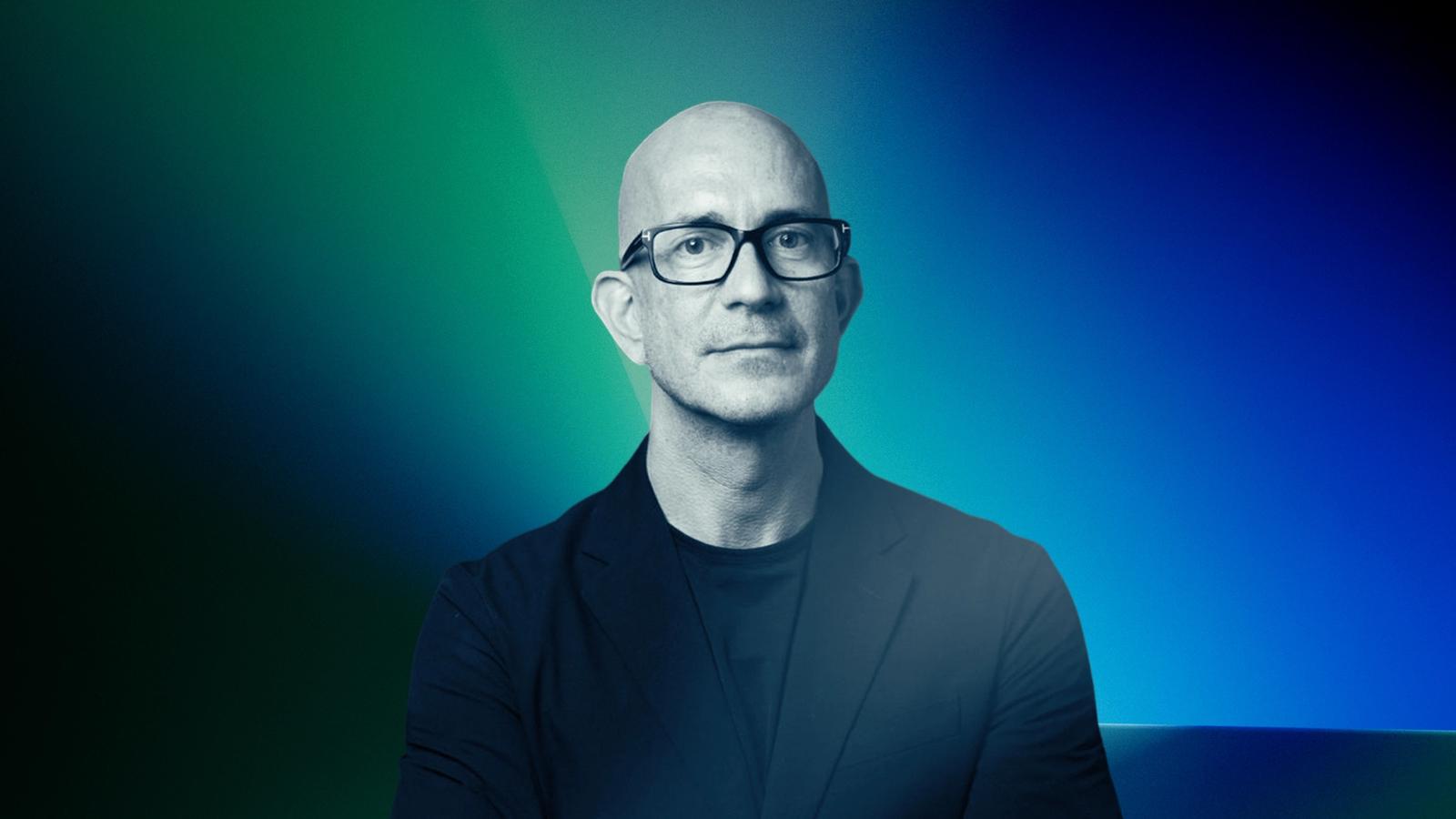
Securitize was early to a future now moving into view. Now Carlos Domingo’s patient bet is meeting the market.
While much of the market chased the next cycle of crypto attention, Securitize co-founder and CEO Carlos Domingo stayed with the slower work of making tokenized assets credible to institutions. The bet required patience, regulation, and, of all things, a tolerance for being early. Today, that patience looks prescient.
Securitize has become one of the defining names in real-world asset tokenization by moving through several eras of digital assets without confusing noise for progress. As the market lurched from one cycle to the next, the company kept building the regulated infrastructure traditional finance would need before assets could move on-chain credibly.
“The market was very focused on the asset. In our case, we concentrated on the infrastructure,” he says. “If tokenization was going to matter, it had to work with the same standards that financial institutions already understand.”
Starting With Regulation
Domingo didn’t arrive as a crypto outsider trying to tear finance down from the edges. His background sits closer to the machinery of technology itself.
Before Securitize, he held senior innovation and digital transformation roles at Telefónica, including being CEO of research and development and CEO of new business and innovation at Telefónica Digital. He also founded SPiCE VC, one of the early tokenized venture-capital funds, and holds a PhD in computer science.
Founded in 2017, Securitize began from a less theatrical premise than many blockchain companies of its time. Financial assets could become programmable, transferable, and more transparent, but only if the technology respected the rules of the markets it hoped to serve. The ambition was to give tokenized securities the infrastructure to work within the financial system.
“Regulation, in a way, was the entry point," Domingo notes. "For us, the opportunity was always to build technology that could make the financial system better.”
Domingo has since framed the same point in public-market terms. In Securitize’s listing announcement, he said the company chose to build inside the regulatory framework from day one because it believed that was the path to institutional adoption.
Read More: A Letter from Carlos Domingo, Co-Founder & CEO
When the Institutions Caught Up
For years, Securitize seemed to be building ahead of the market. Then the institutions began to arrive.
BlackRock selected Securitize for BUIDL, its first tokenized fund on a public blockchain. The fund surpassed $1 billion in assets under management in 2025, roughly a year after launch, with Securitize serving as the tokenization provider. In fact, Hamilton Lane and KKR also worked with Securitize to enable access to tokenized private-market funds. At the same time, BNY collaborated with the company on the Securitize Tokenized AAA CLO Fund, bringing institutional structured credit on-chain.
“Institutional adoption comes from solving practical problems," he adds. "Tokenization can improve settlement, transparency, distribution, and recordkeeping in ways institutions understand. That is when the technology becomes useful at scale.”
The market is beginning to support that view. McKinsey estimates that tokenized market capitalization across asset classes could reach about $2 trillion by 2030, excluding cryptocurrencies and stablecoins, with a potential range of $1 trillion to $4 trillion depending on adoption.
Yes, the forecast is still unfolding, but it gives context to Securitize’s years of infrastructure work. Category shifts often reward companies willing to build before the market has an easy language for what comes next.
“When we started, people were asking whether institutions would ever use blockchain,” says Domingo. “Now we’re interested in knowing which parts of financial markets can be made more efficient by moving on-chain.”
The Public-Market Test
Public markets now bring a different kind of visibility. Securitize completed its business combination with Cantor Equity Partners II on July 1, 2026, and its common stock began trading on the New York Stock Exchange under the ticker SECZ on July 2. Company executives were scheduled to commemorate the listing by ringing the NYSE Closing Bell on July 6.
The company reports approximately $5 billion in tokenized assets under management as of September 2026, with partnerships including Apollo, BlackRock, BNY, Hamilton Lane, KKR, and VanEck. Recent CoinDesk coverage also framed the listing as giving Securitize a stronger balance sheet for the next phase of institutional tokenization. After more than eight years of building infrastructure for on-chain finance, Securitize has entered the public markets itself.
“It’s an important milestone,” notes Domingo. “But the larger story is the same one we have been building toward for years: creating the infrastructure tokenized finance will need as it scales.”
Securitize was built in the gap between conviction and consensus, before tokenization became a boardroom phrase and before the largest asset managers began moving products on-chain.
“The companies that matter in infrastructure are usually early before they are obvious,” explains Domingo. “You have to build for the market you believe is coming, not only for the market that exists today.”
Securitize spent years building for a financial future the market was not yet ready to describe. Now the market is catching up to the architecture.
Marketing communication issued by IDC Management Denmark ApS. Not a legally binding document, not investment advice, and not sufficient to make an investment decision. For professional and, where permitted, semi-professional investors only. Capital is at risk and investments are illiquid. Investments may be made solely on the basis of the relevant fund documentation.
