14 October | Founder Stories
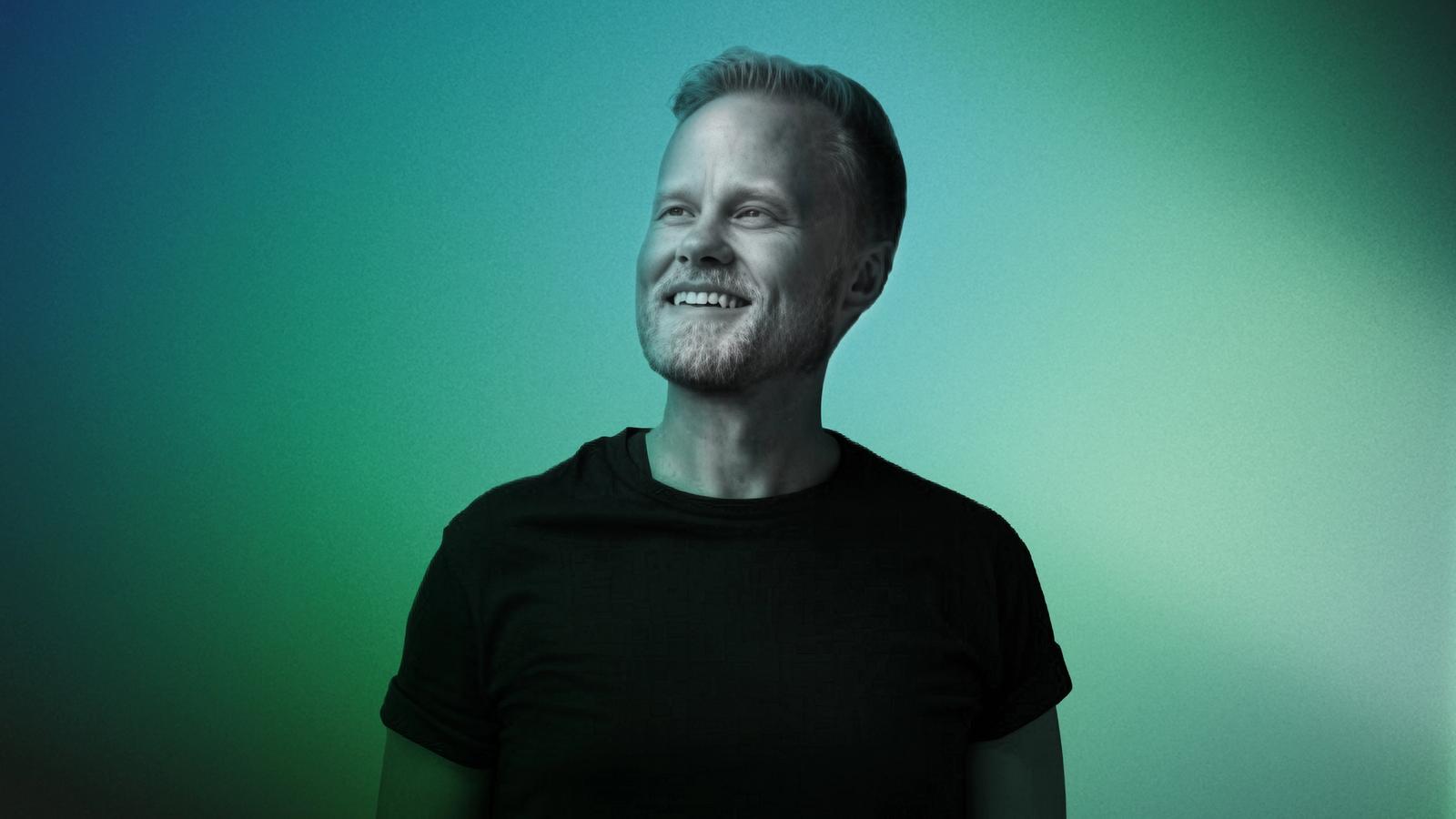
For a while, Niko Karstikko loved staying in short-term rentals.
As an entrepreneur constantly on the road, renting apartments felt like a small luxury: more space, a kitchen, a sense of actually living somewhere instead of just passing through. It beat standard hotel rooms on comfort and flexibility. At first, it felt like the perfect answer for modern travel.
But somewhere along the way, the shine wore off.
Late-night messages from hosts. Confusing check-ins. The low-grade anxiety of wondering whether the next booking would match the photos.
A growing share of travelers stopped wanting the formality of a hotel, but also grew tired of the uncertainty that came with short-term rentals. In short, they wanted something that didn’t really exist yet.
That gap is where Bob W began.
But the story of how it came to be starts far from hospitality, in a world of suits, spreadsheets, and private jets.
From finance to founders
Niko began his career in London, working at NetJets, part of Berkshire Hathaway, and then in banking at Barclays. On paper, it was a stable, high-profile path. But the pull toward building something of his own never quite left him.
Both of his parents were entrepreneurs, and eventually Niko returned to Finland under the cover of pursuing a master’s degree, though his real intention was to start a company. That first venture was a fitness activities marketplace, a business model that would later become familiar through companies like ClassPass and Urban Sports Club. Niko raised €4 million in venture capital, expanded across the Nordics, the UK, and the U.S. East Coast, and sold the company in 2016.
By most measures, it was a successful first act. But it was what happened alongside that business that quietly planted the seed for Bob W.
A side hustle that revealed a flaw
Running a marketplace meant constant travel. When short-term rental platforms were still relatively new, Niko began renting out his own apartment while on the road. What started as a way to offset costs quickly turned into a small side operation: seven apartments, no employees, all managed remotely.
Operationally, it looked great on paper. Demand was strong. Margins were attractive. Guests were mostly happy. With the right tools and a bit of discipline, the business could be run from anywhere.
But as the portfolio grew, so did the friction.
Every new unit added another layer of coordination: cleaners, keys, maintenance, guest support, pricing, and scheduling. Small issues piled up into constant background noise. The experience varied from stay to stay, even across apartments he personally controlled.
“What people are really paying for isn’t the space,” Niko says. “They’re paying for reliability. And in the short-stay world, reliability is basically accidental.”
The model worked, but it didn’t scale cleanly. There was no professional layer that made quality predictable, repeatable, and independent of who happened to be hosting.
That realization stayed with him long after he shut down the side hustle.
The space between hotels and short stays
On one side was a hotel industry with clear standards, strong brands, and operational discipline. On the other was a fragmented short-stay market with no real brands and no shared definition of quality.
“You’ve got seven million hotel rooms in Europe alone with clear standards,” Niko says. “And then on the other side you’ve got short stays with no real brands, no standards, and not even a proper name for the category. We knew we had to build the thing in between.”
Niko realized that nobody was building a professional, branded version of apartment-style hospitality.
A space where you could combine the consistency of a hotel with the experience of staying in a local apartment.
Bob W was conceived as that bridge.
From the start, it was designed not simply as a hotel alternative, but as a rethinking of what hospitality could look like if built for modern behavior. Apartments rather than rooms. Kitchens rather than minibars. Neighborhoods rather than lobbies. And under it all, technology doing much of the work that traditionally required people.
Hospitality, rebuilt around tech
Niko often describes Bob W as a tech company operating hospitality. Compared to a typical hotel chain, Bob W runs with a fraction of the staff because much of the guest journey is handled through software.
Check-ins, requests, upgrades, and support are managed through an app and a remote, AI-powered, human-backed chat-based service that often responds in seconds and speaks multiple languages. The experience feels personal, but it is built to scale.
The brand itself is centered around a simple idea: Bob W is the perfect host. Not a single person, but a character that represents reliability, warmth, and responsiveness.
“Traditional hotels will tell you that if you don’t have face-to-face interaction, you can’t create a real relationship with guests,” Niko says. “That’s just not true. You can build amazing hospitality without ever meeting someone in person.”
One of the earliest signals that the concept was working came from guest reviews. People began writing that Bob was the best host they had ever had, fully aware that Bob was not a real individual, but happily playing along with the idea.
Growing through disruption
Just a few years after launching, Bob W had to deal with one of its first major hurdles: The Covid-19 pandemic, arguably the worst possible moment to be building a hospitality company. Yet in Bob W’s case, it validated the model.
With app-based operations, minimal physical interaction, and apartments equipped for longer stays, the company proved more resilient than many traditional hotels. The period also gave the team time to refine the product and strengthen the technology behind it.
A different challenge arrived in 2023, when growth capital tightened across Europe. Many fast-growing companies struggled to adjust. Bob W shifted its focus from expansion at all costs toward operational discipline, ultimately reaching profitability in 2024 — a milestone Niko considers one of the most meaningful in the company’s journey.
Built for Europe, ready for more
Today, Bob W operates across 19 cities in 11 countries, with more than 55 live properties and over 100 in its broader portfolio. It sits somewhere between a hotel chain and a short-stay rental platform, built for a generation that expects flexibility, design, and consistency to come together.
The company’s growth has forced Bob W to embrace another reality of hospitality: everything is local.
Rather than treating that as a limitation, Niko made localization part of the company’s DNA.
Bob W built systems around understanding what changes from city to city and what remains constant, allowing it to enter new markets without needing deep local familiarity in advance. The work is heavy upfront, but it creates real barriers to entry once done.
What comes next
Looking ahead, Niko’s ambition is to make Bob W a household name for the next generation of travelers: those who grew up valuing independence and flexibility, but now expect consistency and trust to come with it.
So far, Bob W has stayed focused on Europe, not for lack of global opportunity, but because the market is already vast and complex enough. Expansion beyond the continent will come, but only once the time is right.
What Niko is building is not a better version of yesterday’s hotel. It defines what hospitality looks like when it starts from how people actually travel today.